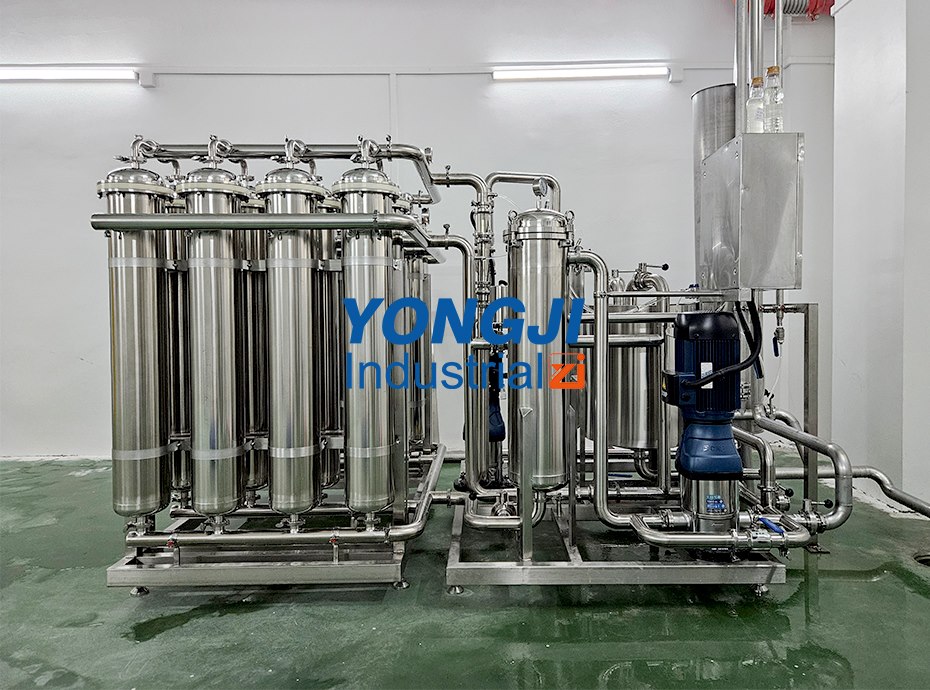
Hollow Fiber Membrane Filter - Inline Fully Automatic System YJ-UFA4-APL
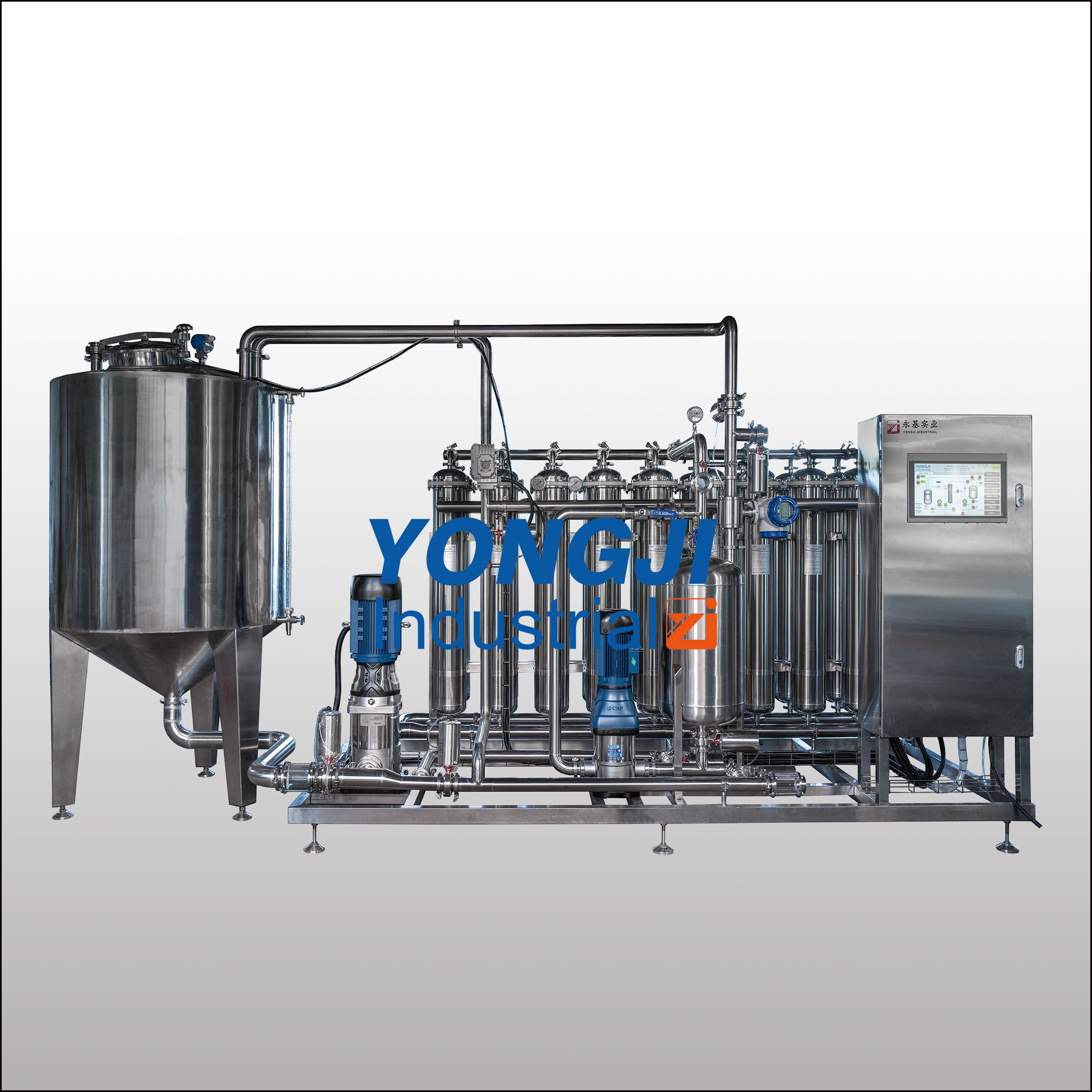
Hollow Fiber Membrane Filter - Inline Fully Automatic System YJ-UFA4-APL
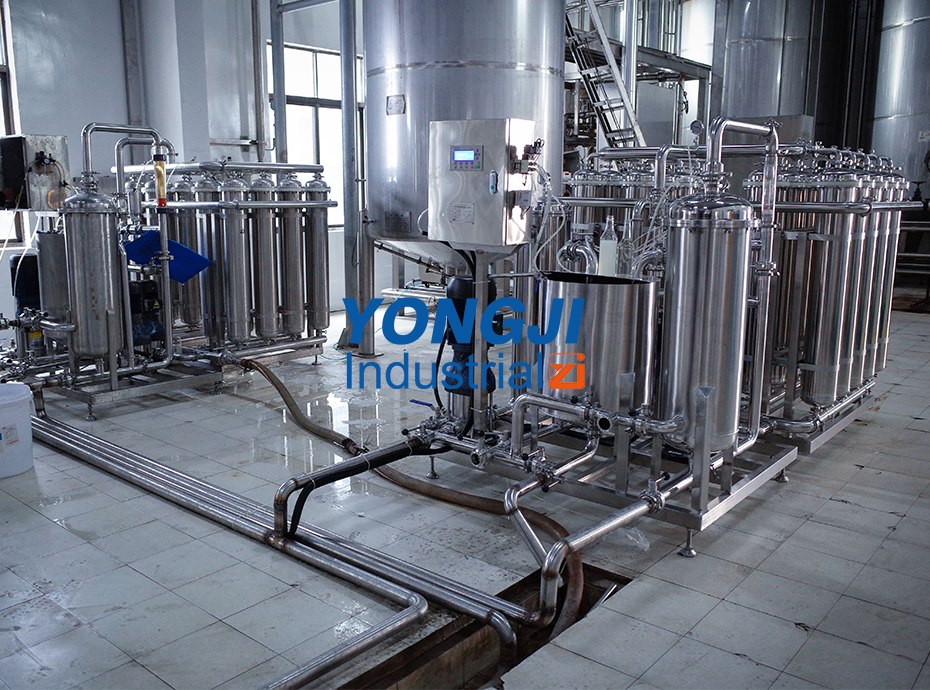
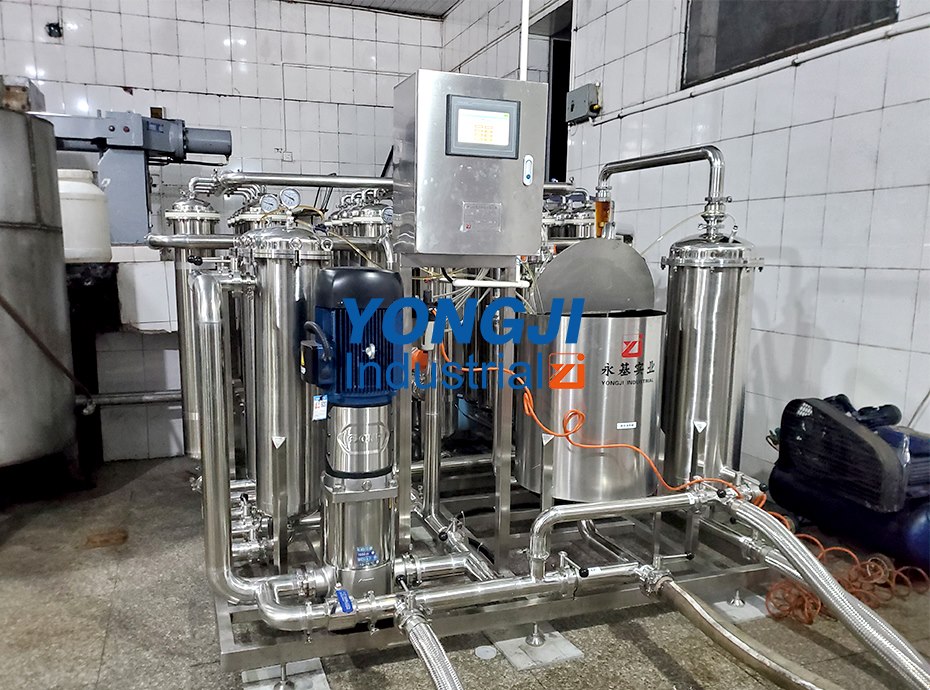
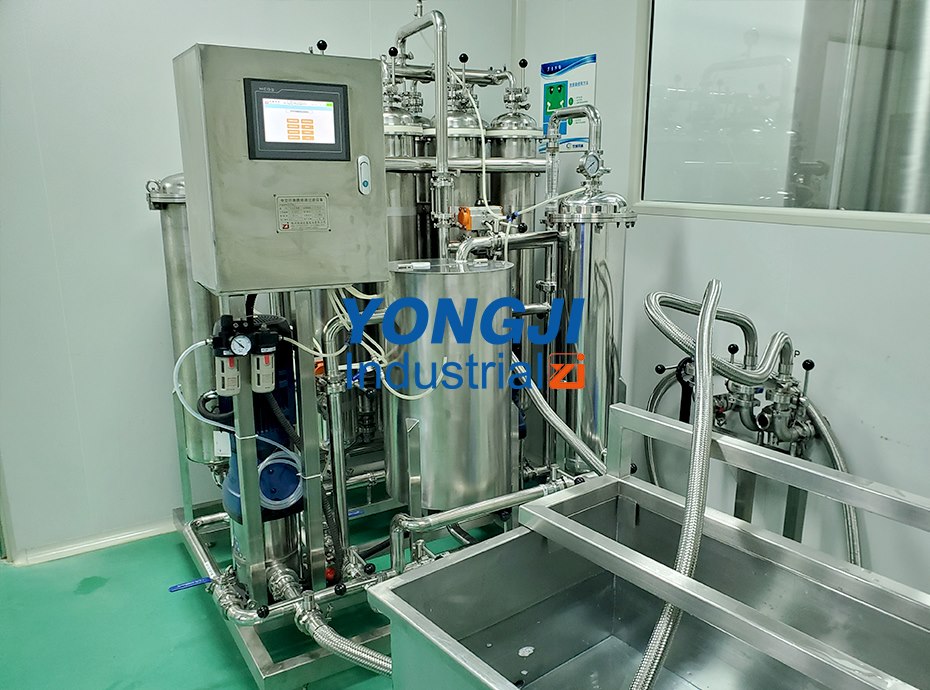
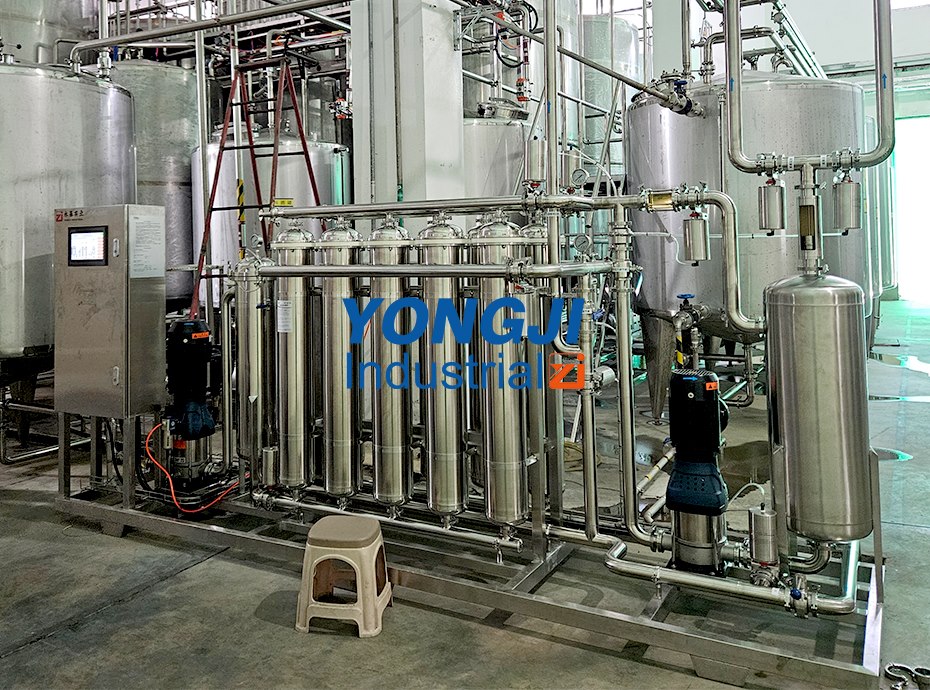
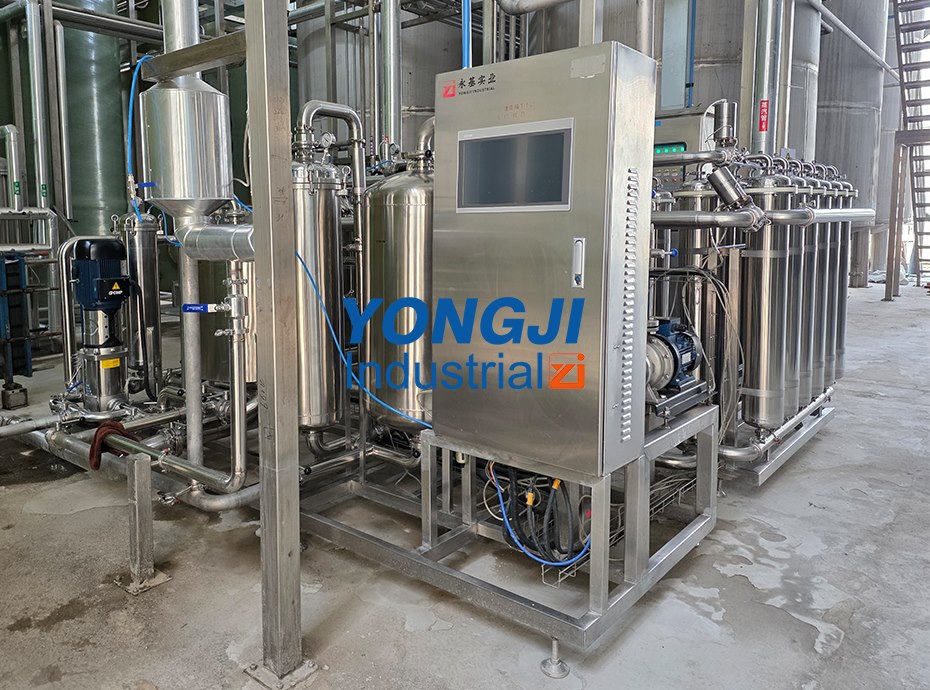
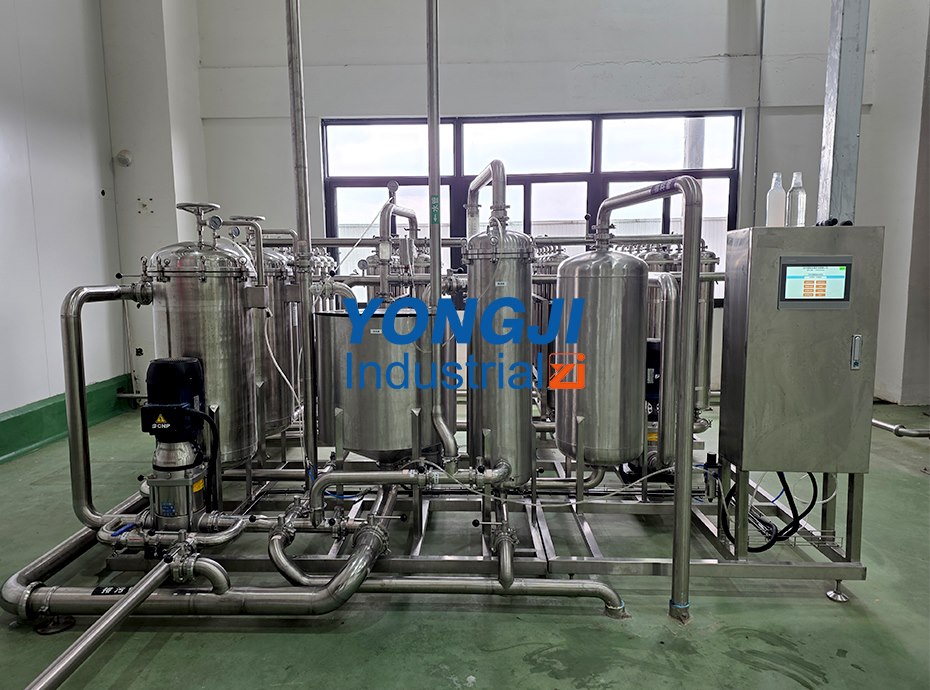
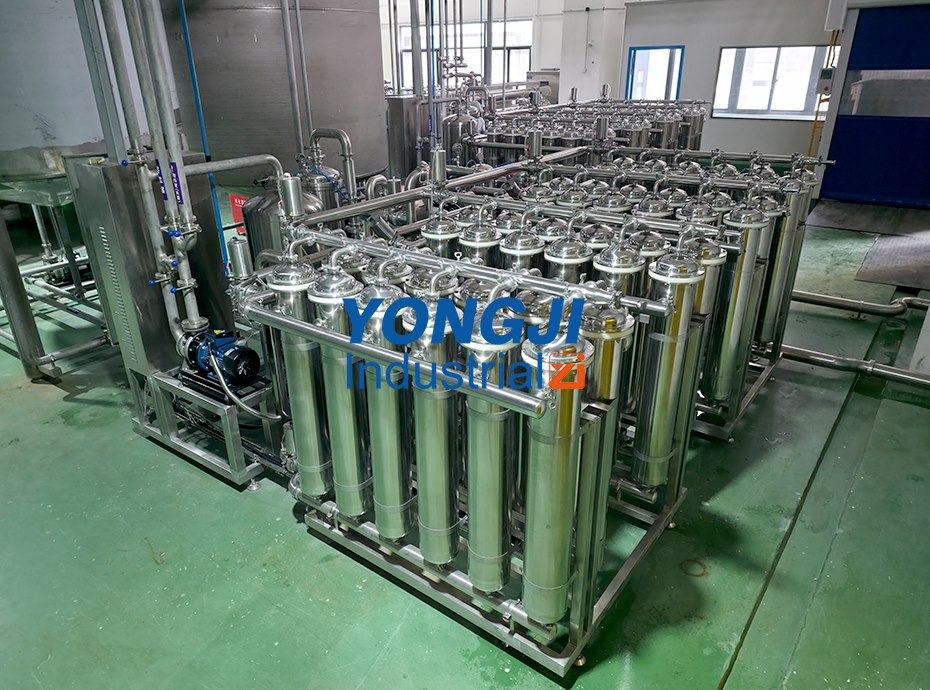
This model is equipped with fully pneumatic valve actuation and fully automatic screen operation, suitable for working conditions with a single-batch filtration volume of 5-80 m³, with each machine configurable with 6-60 membrane elements. The equipment is equipped with a PLC controller and interactive touch screen. Filtration, backwash, cleaning and chemical cleaning processes run fully automatically. It can be equipped with automatic valve pressure regulation, eliminating manual monitoring of operating pressure. It is equipped with tank liquid-level monitoring to prevent empty and overflowing tanks.
This system has a high degree of automation and a modular design, and can be flexibly configured according to customer working conditions. A feed (cleaning) storage tank can be configured.
- Processing flow rate: >5000 L/H
- Control: PLC + interactive touch screen (default brand Siemens or Mitsubishi)
- Working condition: fully automatic operation
- Valve system: pneumatic valve control
- Sensors: liquid level, temperature and other transmitters
- Material: SUS304 or 316L
- Centrifugal pump: filtration pump and backwash pump 380 V
- Sanitary piping, valves and components throughout
- Backwash control: pneumatic valve automatic switching
- Compressed air: ≥0.4 MPa
- Membrane consumable cost: <3 CNY/m³

Technical Introduction
- High-strength, acid-resistant, alkali-resistant and oxidation-resistant membrane materials support frequent high-intensity backwashing and long-duration chemical cleaning, ensuring long membrane life and low operating cost.
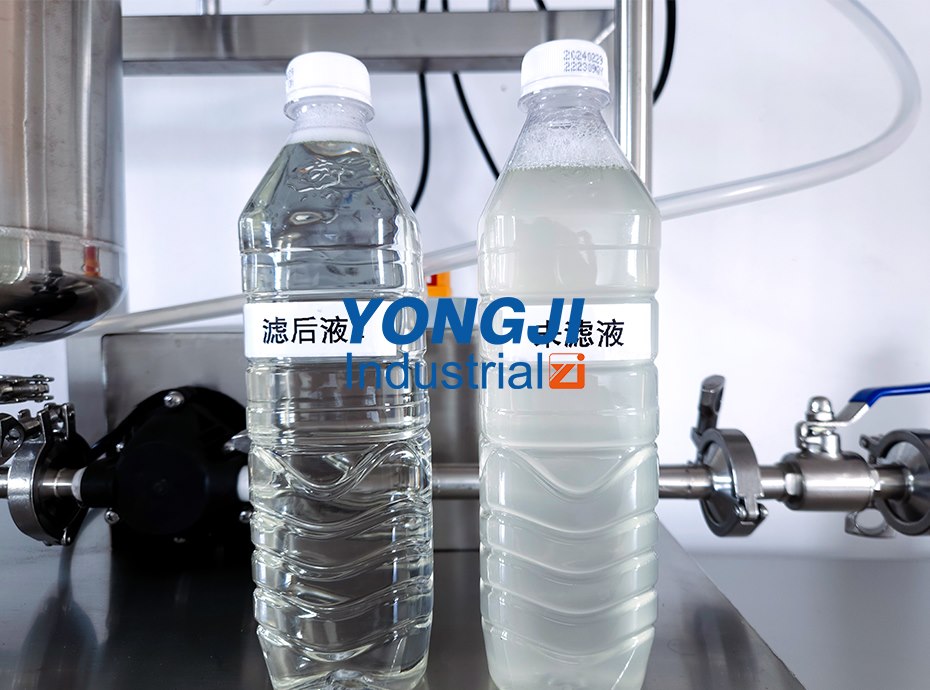
- The membrane pore size is 0.18 um (average range 0.02-0.2 um), reaching sterilizing-grade filtration. The theoretical sterilization rate can exceed 99%. Under ideal operating conditions, microorganisms in the filtrate can be controlled at <=100 CFU/mL.
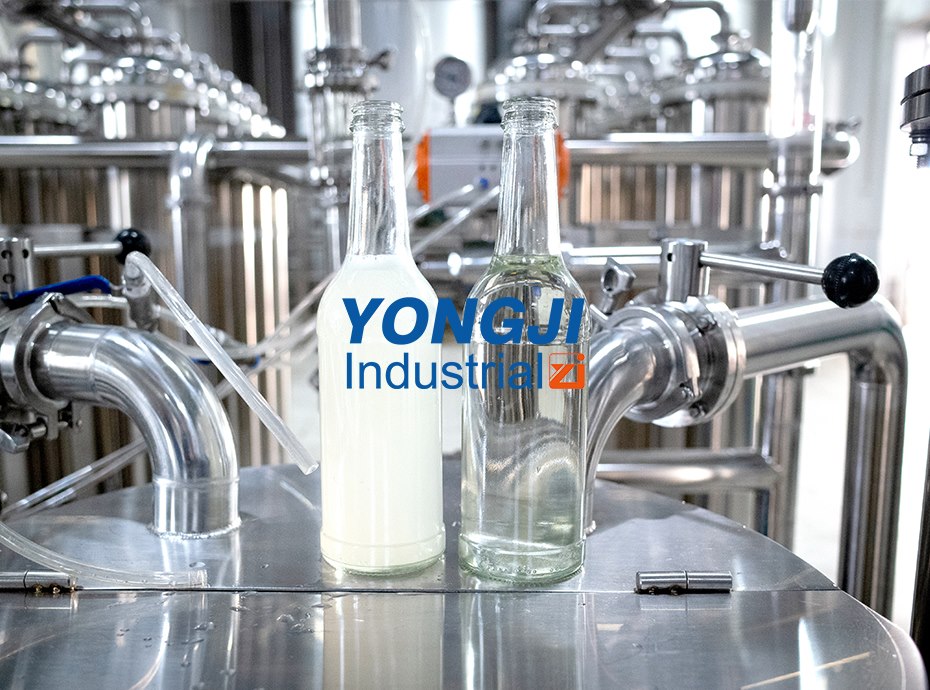
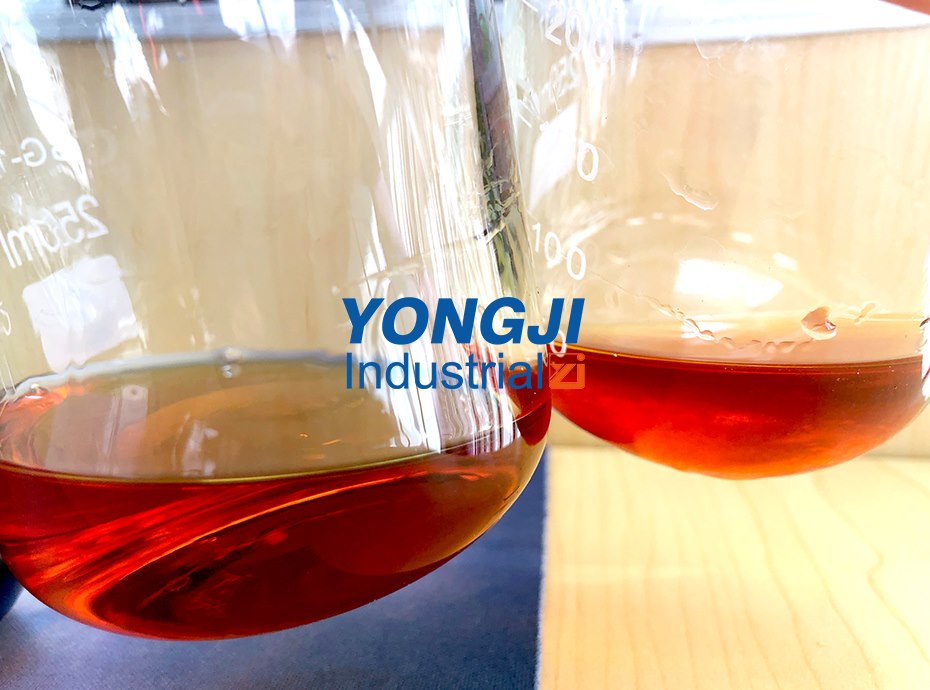
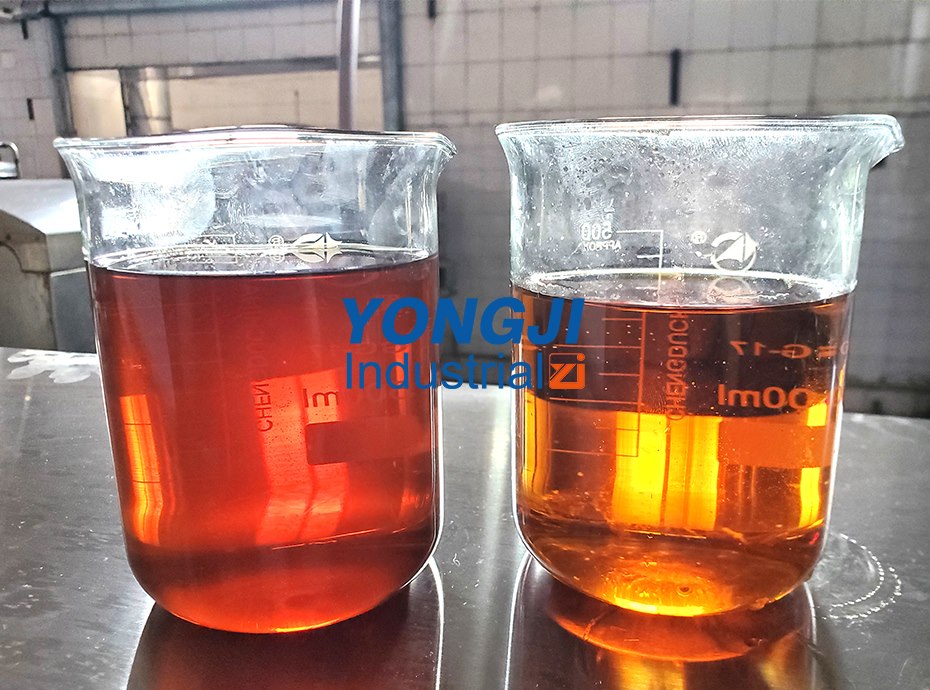
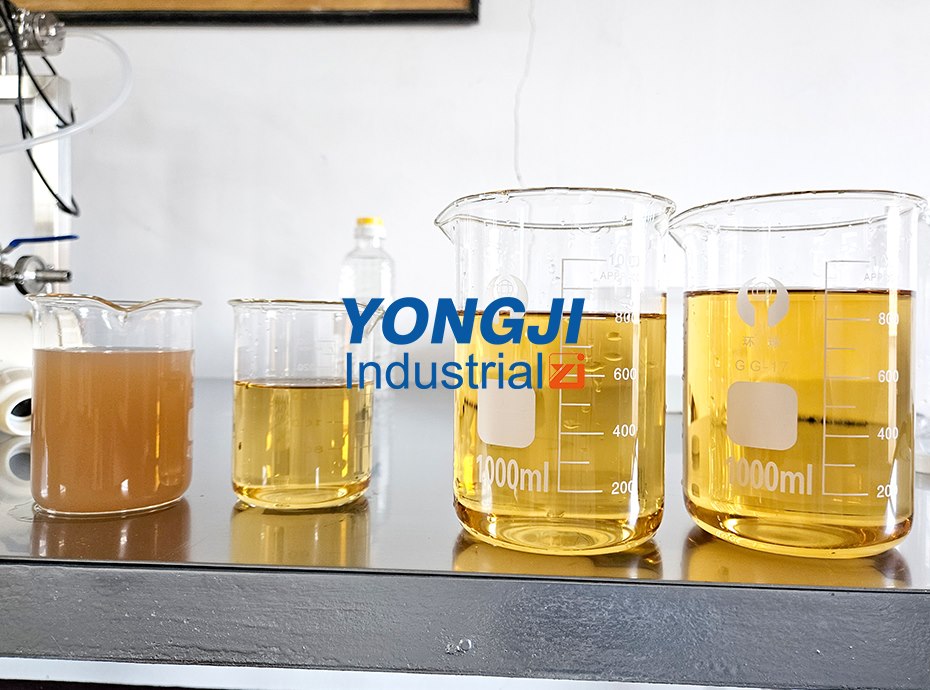
- High-precision sterilizing-grade filtration yields extremely high filtrate clarity while having no effect on the valuable substances in the feed liquid, such as sugars, low-molecular-weight proteins, enzymes, amino acids and peptides.
- The filtration process requires no diatomite or other filter aids and operates as pressure filtration at room temperature, making it suitable for clarification and sterilizing filtration of temperature-sensitive materials.
- The equipment operates with a cross-flow process and can handle high-turbidity and high-viscosity materials. Timed backwashing during operation effectively reduces flux decline and helps maintain production capacity.
- Application fields: alcoholic beverages, condiments, enzyme preparations, biological fermentation broth, fruit juices, beverages, plant and animal extracts, and the water treatment industry.
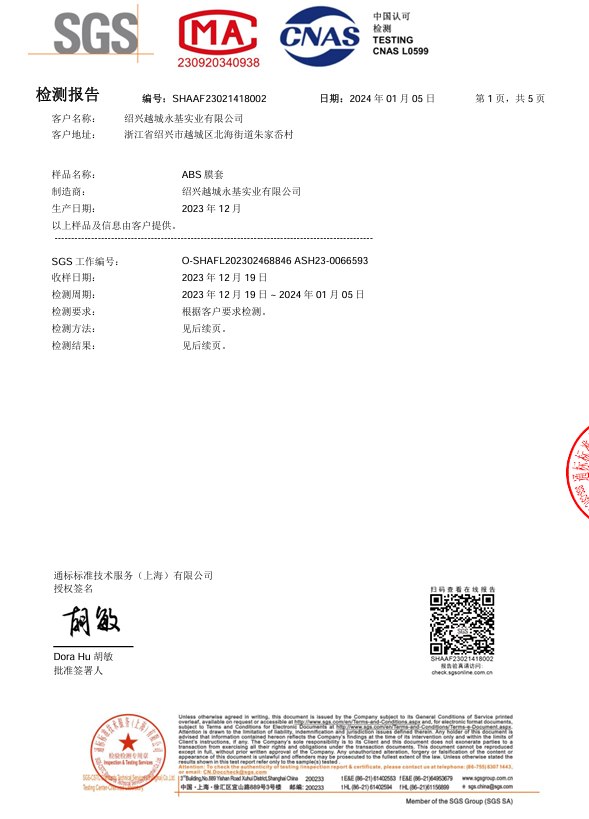
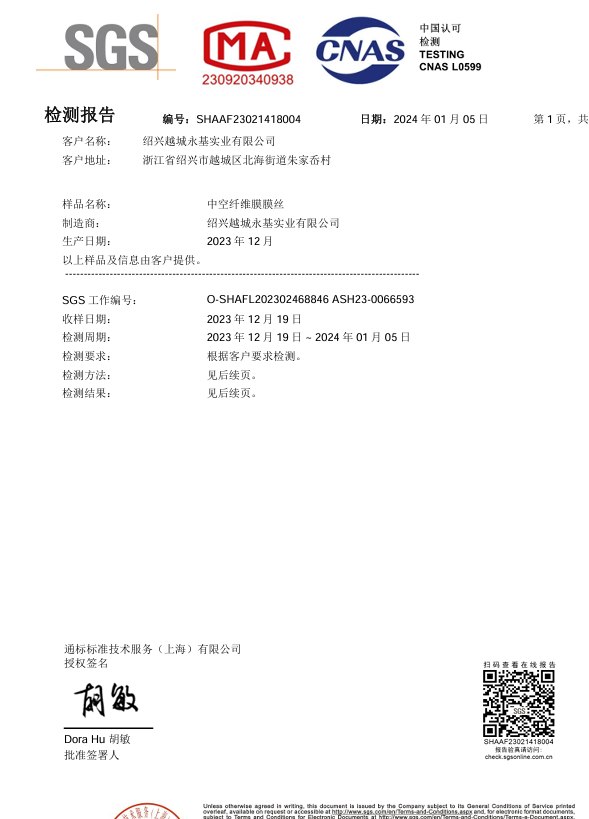
- The membrane elements used in the equipment are developed and manufactured by Yongji. Relevant membrane materials have passed third-party food hygiene certification, and food-grade material reports can be provided.
Application Fields
Membrane Technical Parameters
| Membrane material: | Polypropylene (PP) |
|---|---|
| Module sleeve material: | Food-grade ABS |
| Housing material: | SUS304 |
| Retention pore size: | 0.02-0.2μm (average 0.18μm) |
| Sterilization rate: | 99.9% |
| Operating temperature: | 4-50℃ |
| Applicable pH range: | 1-14 |
| Operating pressure: | 0.1-0.3MPa |
| Backwash pressure: | 0.2MPa |
| Filtration mode: | Outside-in cross-flow filtration |
| Effective membrane area: | 60 m² |
| Theoretical flow per module: | 300 tThis value is the minimum filtration flow and is closely related to material condition and maintenance. |
| Module structure: | Stainless-steel housing with replaceable membrane core |
| Cleaning method: | Water cleaning and chemical cleaning (sodium hypochlorite, citric acid) |
| Service life: | 2-5 years |
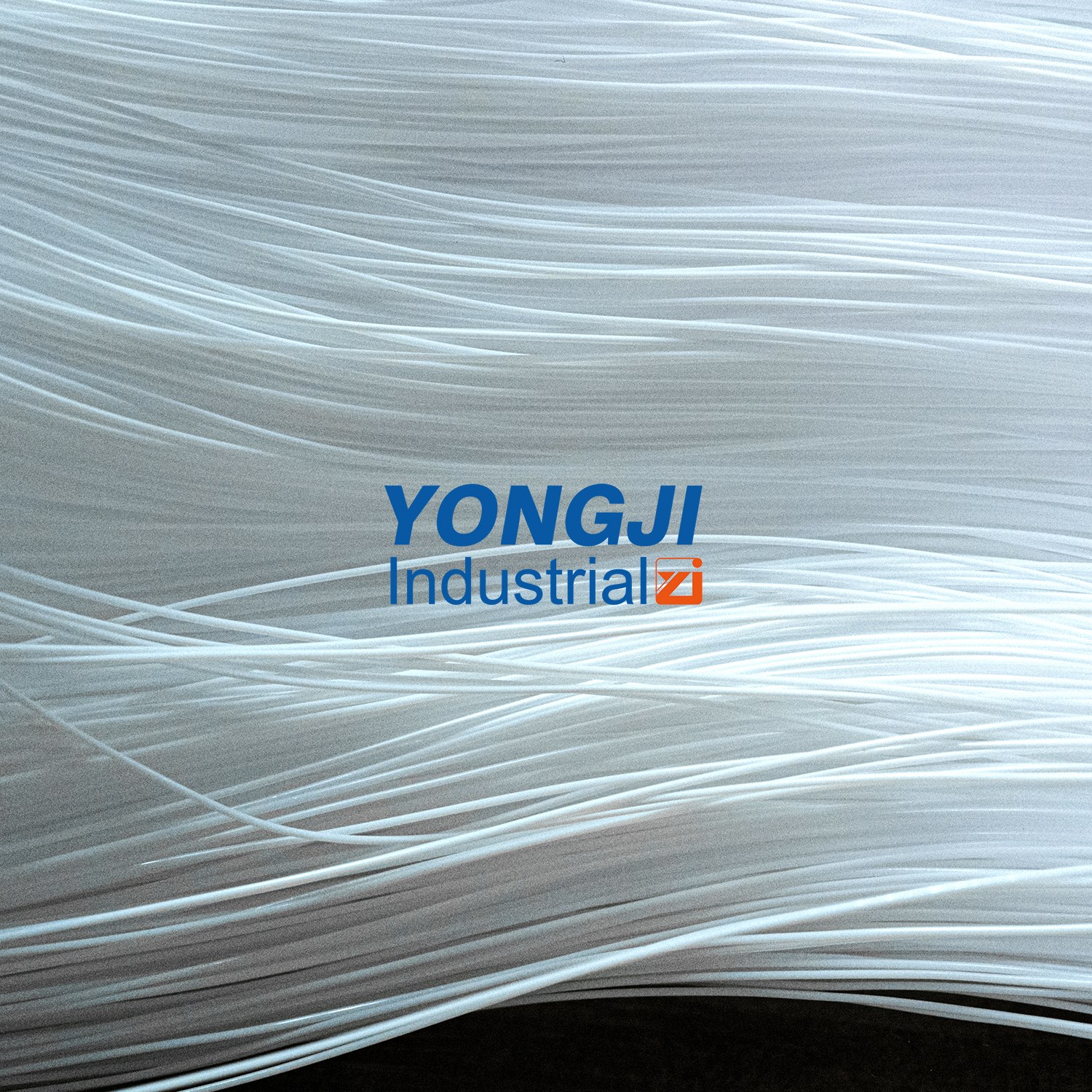
Membrane Module Image
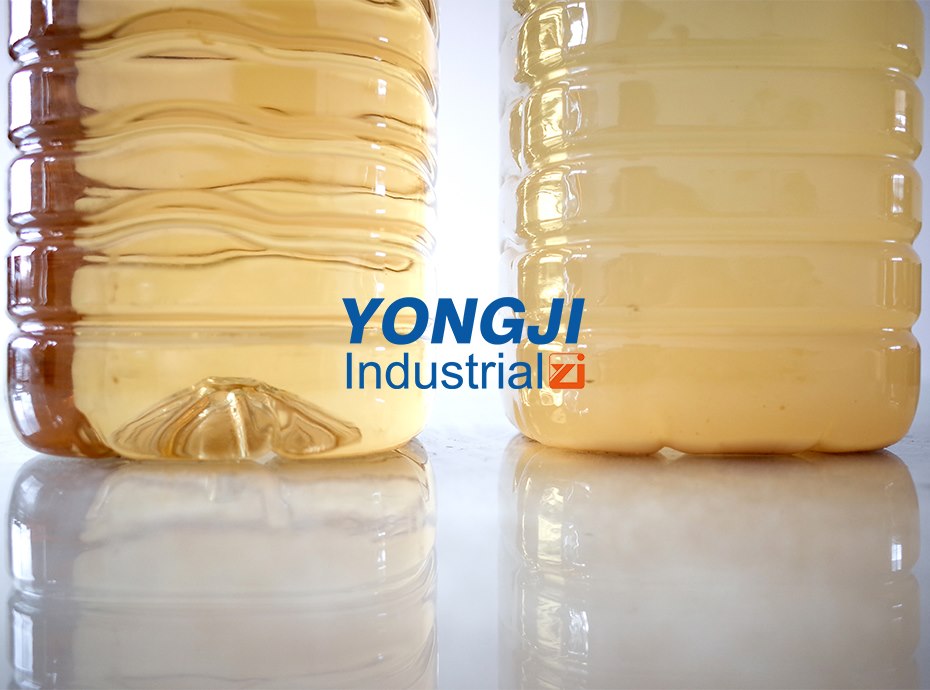
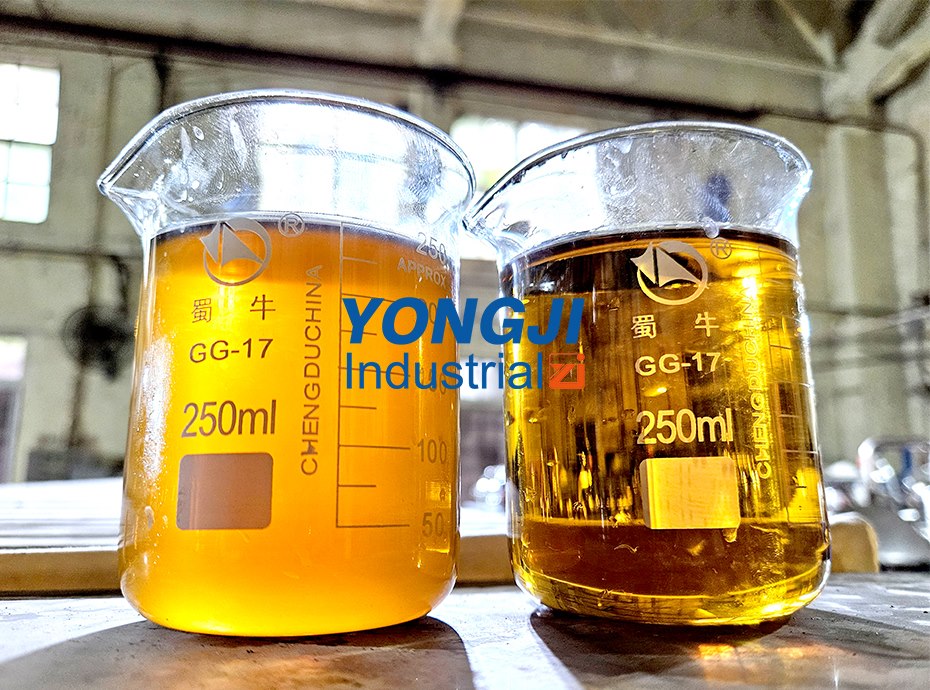
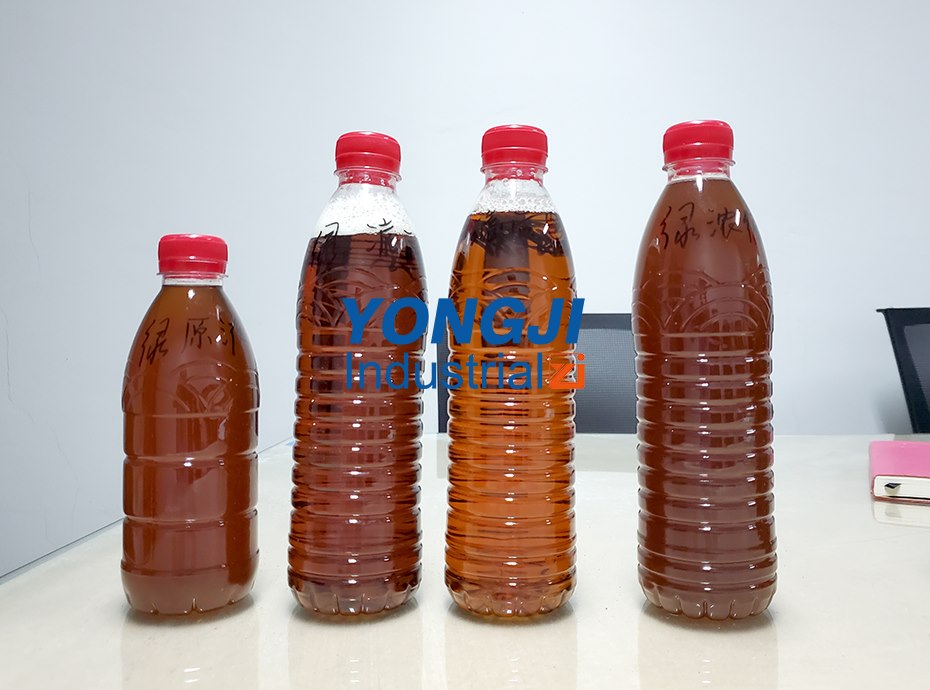
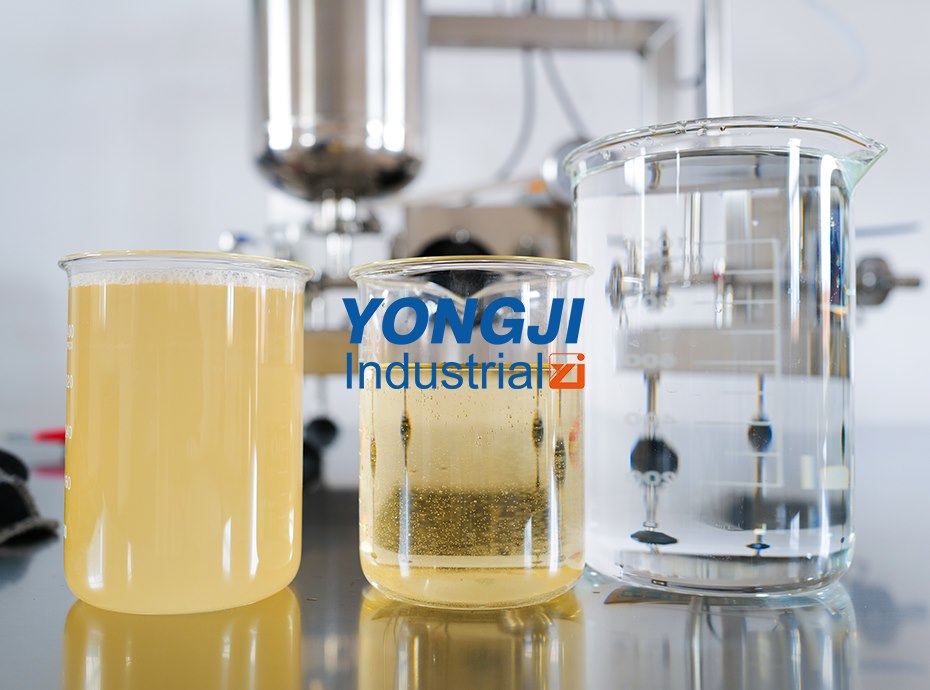
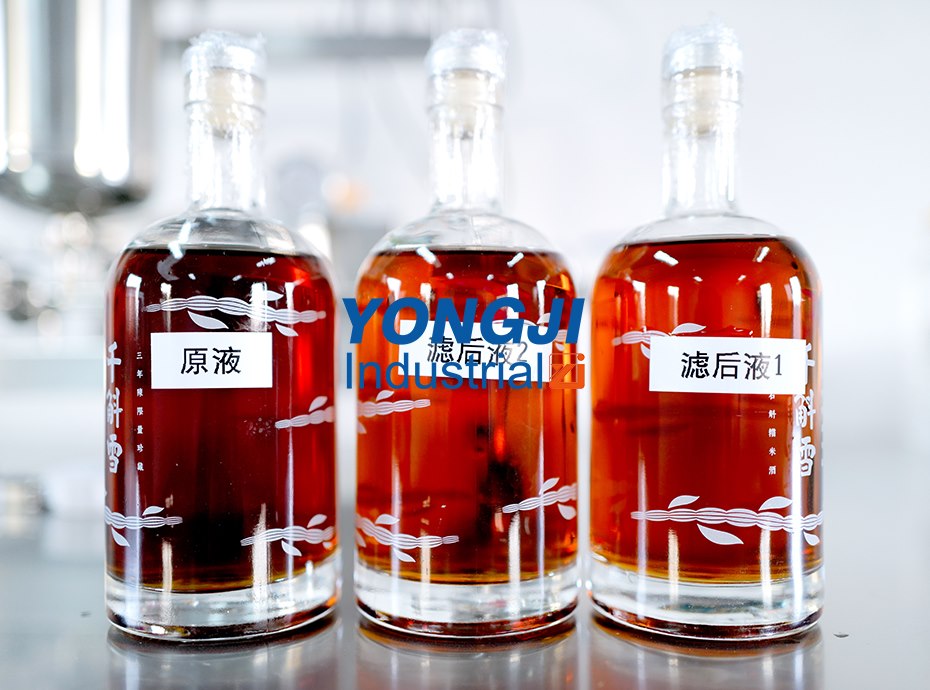
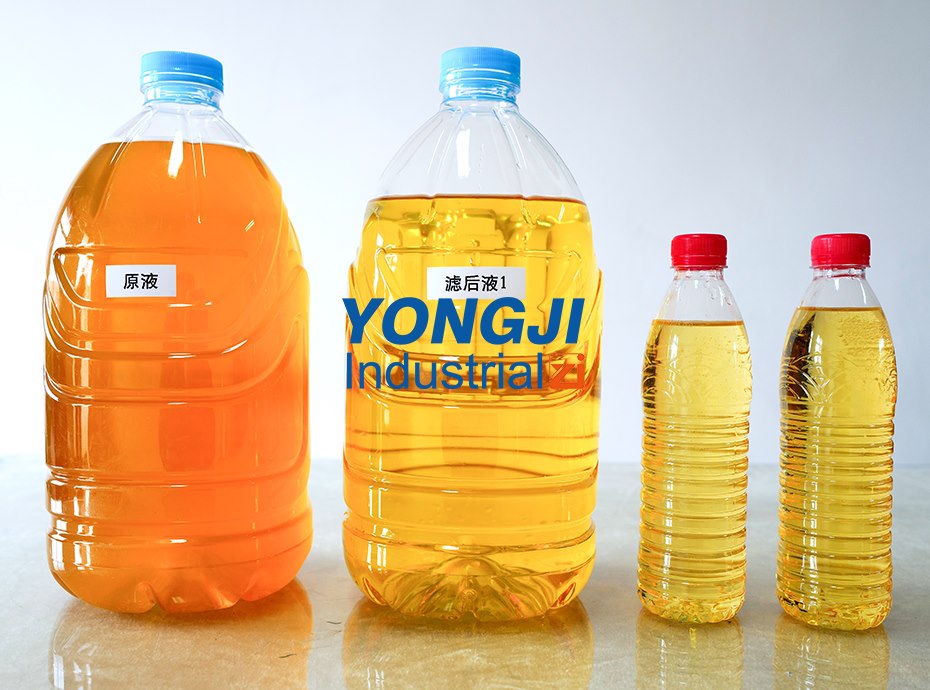
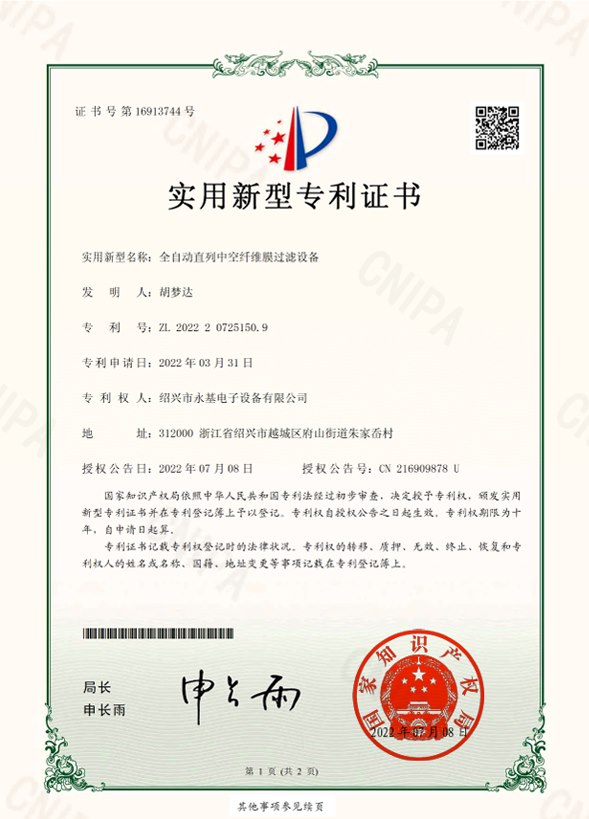
Membrane materials have passed third-party food hygiene testing and certification.
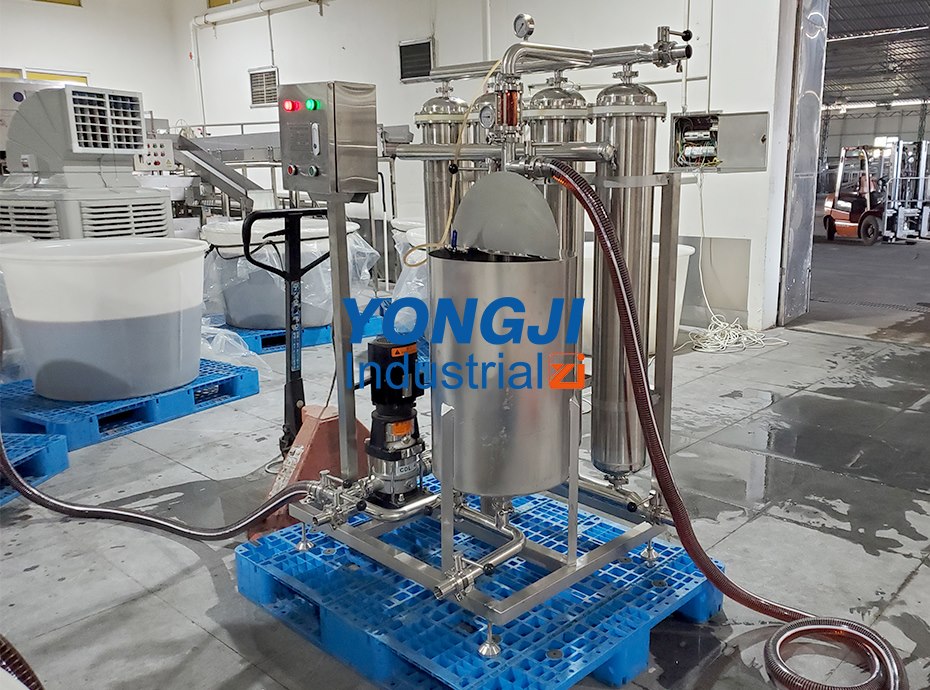
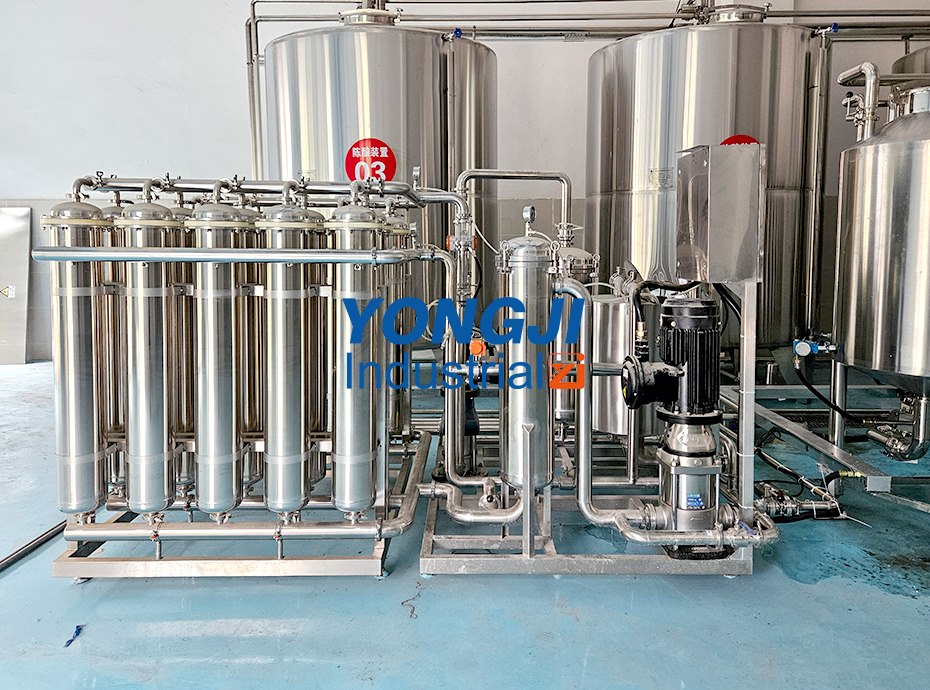
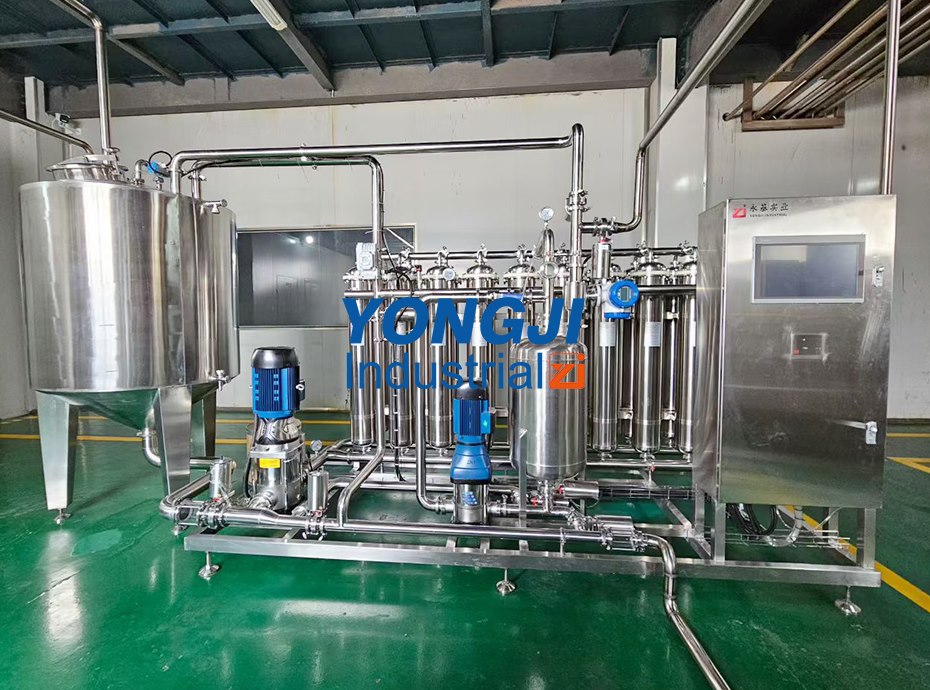
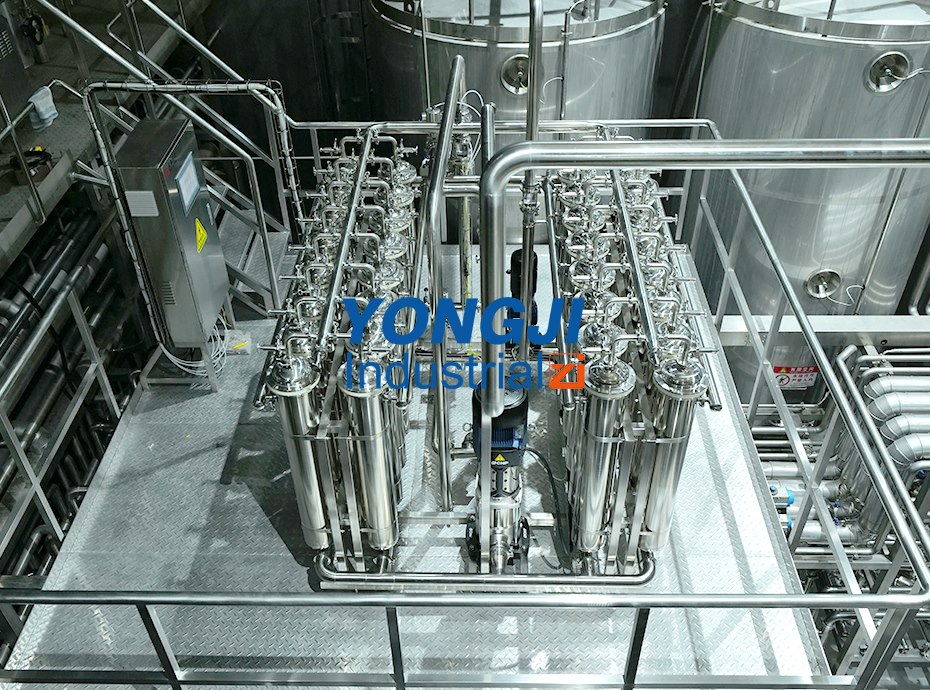
The beer recovery solution recovers valuable products from residual yeast and high-solids materials, reducing water, cleaning-agent and energy consumption while improving raw material utilization.